One Life Only Counseling Services
Counseling for Individuals, Couples, and Families
One Life Only may be a good fit if you are looking for counseling that is structured, collaborative, and grounded in contemporary behavioral science.
Our aim is to help you understand the patterns that keep problems going, develop more workable ways of responding, and build enough confidence and flexibility that counseling becomes less necessary over time.
If you are looking for counseling in the Philippines, One Life Only provides in-person counseling in Quezon City and online counseling for individuals, couples, and families throughout the Philippines. We work with concerns including depression, anxiety, trauma, relationship and family problems, insomnia, anger, infidelity, parenting difficulties, grief, addiction, procrastination, and work-related concerns.
Please text (preferred) or call:
Mobile Number: +63 917 886 5433 (LIFE)
Available also on iMessage, Viber and WhatsApp!
(The best option is to message this number through Viber or WhatsApp and we will gladly call you back or reply!)
Email:
Connect with us through Facebook, follow us through Spotify and YouTube.
Our office is located in Quezon City, Metro Manila, Philippines.
M Place South Triangle
8004 Mother Ignacia Avenue, Quezon City, Metro Manila, Philippines

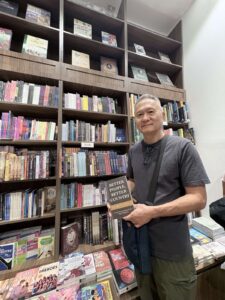
The counselor is also an author!
Nathaniel Chua is the author of two books!
Writing under the pen name, Starfly Chua.
New Release!
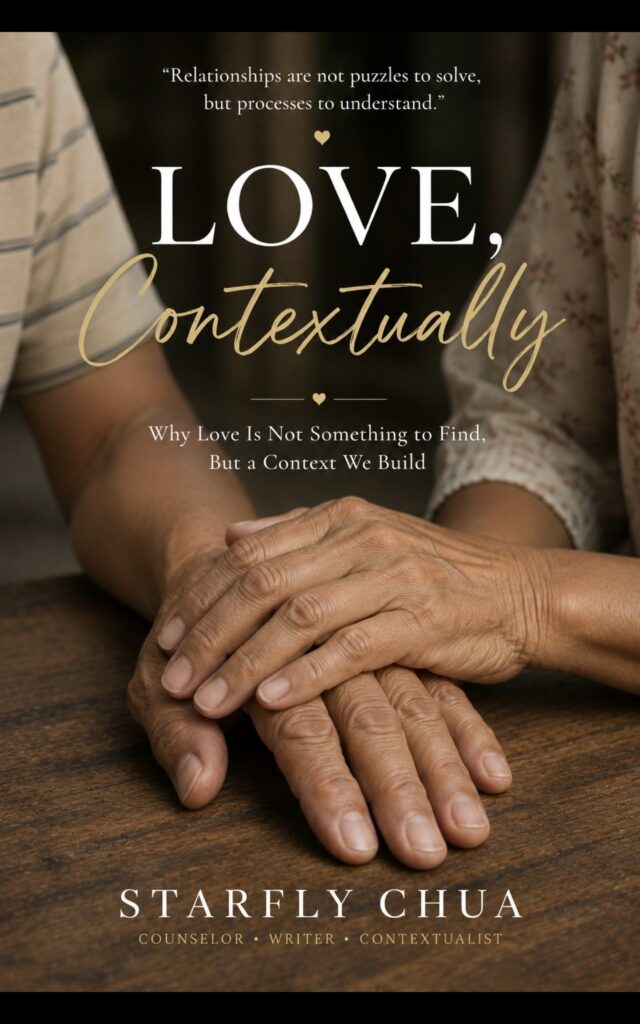
Many relationship books tell us to find the right person or master the right techniques. Love, Contextually takes a different approach. It invites readers to see love as something we continually build within the context of two changing people living through changing circumstances. Drawing from years of counseling experience and contemporary contextual behavioral science, the book offers a compassionate, practical, and refreshing way to understand conflict, deepen connection, and cultivate healthier relationships.
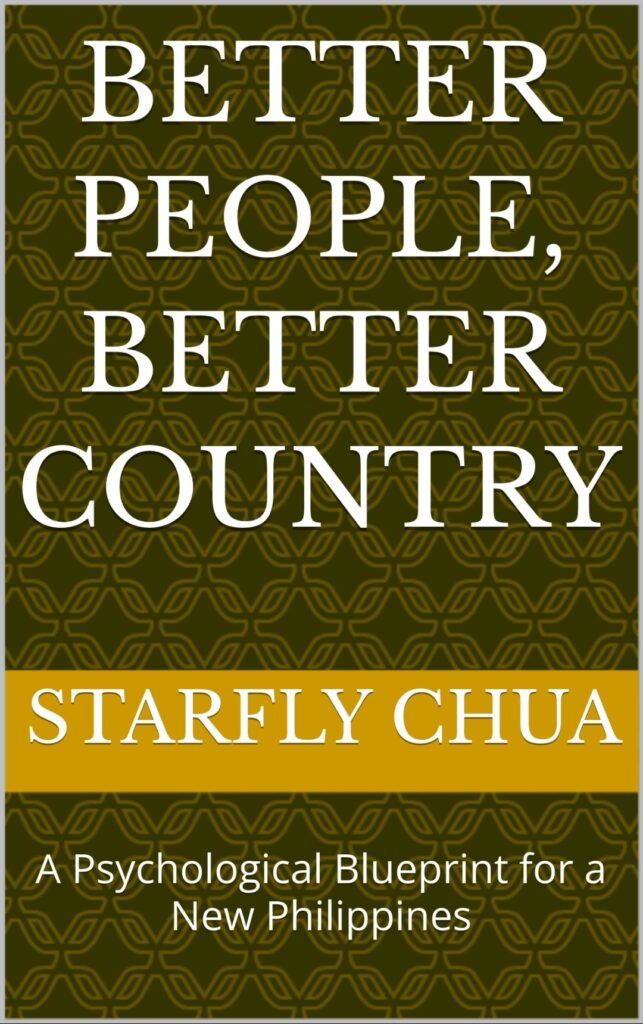
Better People, Better Country: A Psychological Blueprint for a New Philippines,
published under the pen name Starfly Chua.
The pen name was chosen in homage to his grandfather and his ethnic Chinese roots, and reflects a preference for allowing ideas to stand on their own—without emphasis on personal visibility or status.
Here are selected endorsements from international colleagues and clinical experts:
This book is a fascinating personal exploration and cultural adaptation of contextual behavioral science applied to psychotherapy. It takes you, with great clarity and humility, from the philosophical foundations of functional contextualism all the way to its practical applications in Acceptance and Commitment Therapy. The way it addresses the challenges of psychological well-being in the Philippines makes it a particularly valuable contribution.
Dr. Matthieu Villatte, PhD, Co-author of Mastering the Clinical Conversation: Language as Intervention
To find out how you can get copies of his books please click here.
Nathaniel Chua is also a member of an international organization called the Association for Contextual Behavioral Science (ACBS). He once became chair of the Diversity, Equity, and Inclusion Special Interest Group (DEI-SIG) of ACBS; the first Non-North American to do so.
Nathaniel Chua has a Master’s Degree in Counseling and continues to learn more of the most cutting-edge approaches to working with the human condition.
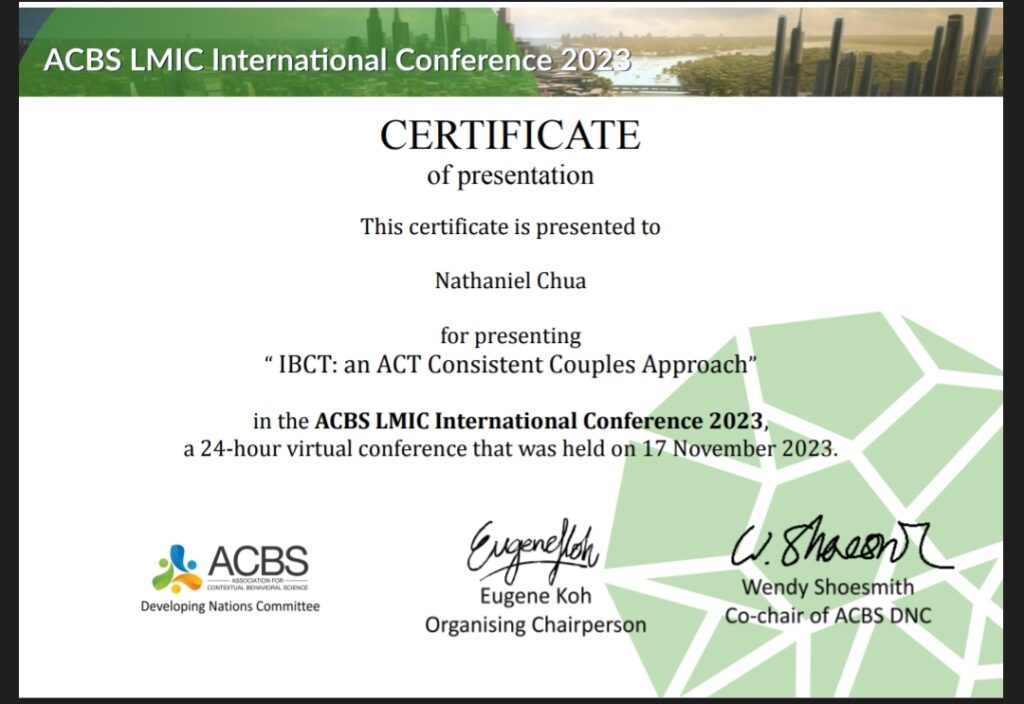
Below is Nathaniel Chua’s first virtual talk held on November 17, 2023 in front of an international group of therapists from Low or Middle Income Countries (LMIC). He is the first from the Philippines to do this:
What is One Life Only Counseling about?
We value and respect your privacy, and what you share with us is treated confidentially.
You will be respected regardless of your religion, sexual orientation, gender identity, ethnicity, economic status, lifestyle, or personal values. We are LGBTQIA+ friendly.
Your counselor will not impose personal beliefs or values on you.
We welcome people from all faith traditions—and those with no religious affiliation. Spirituality and belief can be deeply personal. For some people they are sources of strength; for others they may also be sources of difficulty or conflict.
Our role is not to tell you what you should believe. It is to understand what matters to you and help you move toward a life and relationships that are more consistent with your own values.
Nathaniel Chua, MA
Functional Contextualist Therapist
ACT & IBCT Specialist
Our work is guided primarily by Acceptance and Commitment Therapy and Integrative Behavioral Couple Therapy.
Both approaches are grounded in functional contextualism—a scientific framework that seeks to understand behavior within the circumstances in which it occurs.
Rather than asking only whether a thought, feeling, or behavior is “good” or “bad,” we ask:
What function is this serving?
What keeps this pattern going?
And is it helping you move toward the kind of life or relationship you want?
What is functional contextualism?
Functional contextualism begins with a simple idea:
Behavior does not happen in a vacuum.
Every action, thought, feeling, memory, and reaction occurs within a particular context.
That context includes your history, relationships, environment, culture, learning experiences, expectations, and what is happening around you now.
Understanding that context can help us make better sense of why certain patterns continue—and what may help them change.
What we mean by behavior?
Behavior is not limited to what other people can see.
It also includes private experiences such as thinking, remembering, imagining, worrying, avoiding, planning, and interpreting what is happening around us.
Some behaviors are observable. Others happen quietly inside us.
Both matter.
What we mean by context?
Context is more than the physical place you are in.
It includes your personal history, relationships, memories, culture, present circumstances, and the people who have shaped your life—even when those people are no longer physically present.
The same person may respond very differently depending on stress, sleep, conflict, safety, expectations, past experiences, or the environment they are in.
That is why we try to understand the whole situation rather than judging behavior in isolation.
What we mean by function?
Every behavior occurs for a reason, even when that reason is not immediately obvious.
The “function” of a behavior refers to the role it plays within a person’s life.
For example, avoiding a difficult conversation may reduce anxiety in the short term, even if it creates more problems later.
Anger may sometimes protect a person from feeling vulnerable.
Withdrawal may temporarily reduce conflict while also increasing distance in a relationship.
Understanding the function of a behavior does not mean approving of it.
It means understanding what keeps it going so that more workable alternatives can become possible.
What we don’t believe or practice:
We don’t see you as “broken” or as a set of symptoms to fix. Outside of major physical damage or impairment, there’s no solid science proving that everyday behavior is caused by some permanent biological flaw.
You’re not a checklist of traits scored four-out-of-seven or five-out-of-nine. You’re a complex, whole, and freely choosing individual whose actions make sense in the context of your life.
Beyond Labels
Diagnostic labels can sometimes be useful for communication, research, or access to services.
But they do not tell us everything we need to know about a person.
At One Life Only, we place greater emphasis on understanding your individual history, circumstances, patterns, values, and goals than on reducing you to a diagnostic category.
We are interested in the person behind the label.
More Than Test Scores
Psychological tests can provide useful information in some settings.
Our counseling work, however, places greater emphasis on conversation, observation, history, context, and the patterns that emerge in your actual life.
No single score can capture the full complexity of a person.
We therefore focus on understanding how you think, feel, relate, respond, and make choices within the context of your life.
Medication and Counseling
Medication can be useful and, in some cases, important.
Decisions about medication should be made with an appropriately qualified medical professional.
Our role is to focus on psychological and behavioral processes: helping you develop greater flexibility, understand difficult patterns, respond differently to thoughts and emotions, and build a life that reflects what matters to you.
When appropriate, counseling can work alongside medical care rather than being treated as an alternative to it.
A Science-Based Approach
Acceptance and Commitment Therapy has been studied across a wide range of psychological and behavioral difficulties.
ACT-based principles have also been adapted into public mental health programs designed to help people cope with stress and difficult life circumstances.
The World Health Organization has used ACT-informed material in its stress-management resources, including *Doing What Matters in Times of Stress*.
For us, the important point is not that one therapy can solve every problem.
It is that people can learn skills that help them respond more flexibly to difficult thoughts, feelings, and circumstances—and continue moving toward what matters even when life is hard.
Counseling With a Clear Purpose
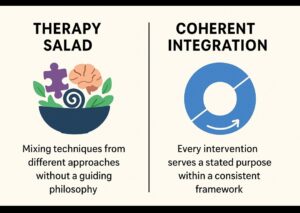
Therapy should not be a random collection of techniques.
Different methods can be useful, but they should fit within a coherent understanding of the problem and the goals of counseling.
At One Life Only, the techniques we use are guided by an underlying framework.
We do not simply ask:
**“What technique should we try next?”**
We ask:
**“What is happening here, what function is it serving, and what response is most likely to help this person move toward what matters?”**
Every intervention should have a reason.
Every step should have a purpose.
And over time, good counseling should help you become increasingly able to navigate your life without needing counseling to do it for you.
Here’s a video about what makes One Life Only Counseling Services different:

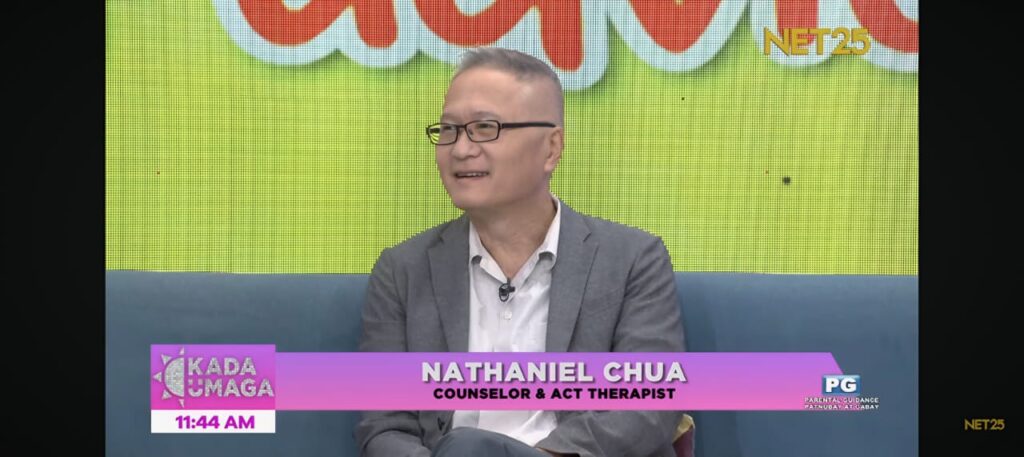
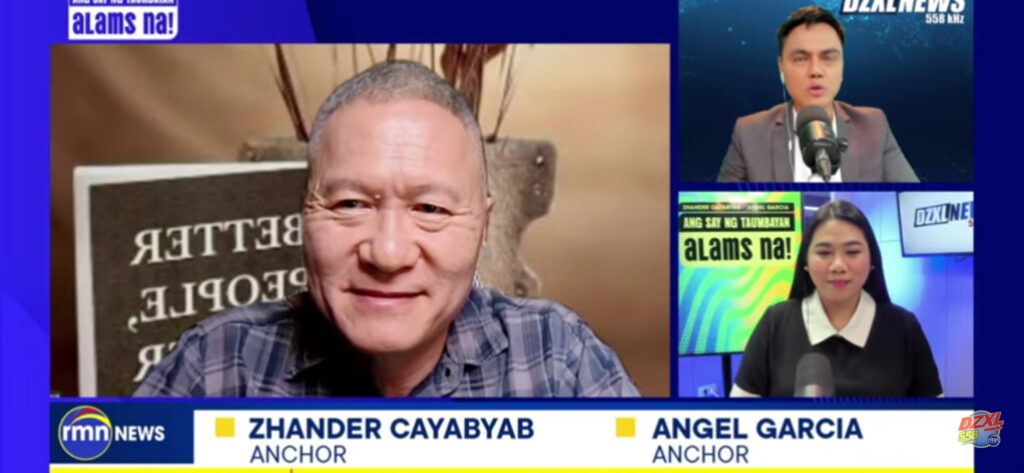
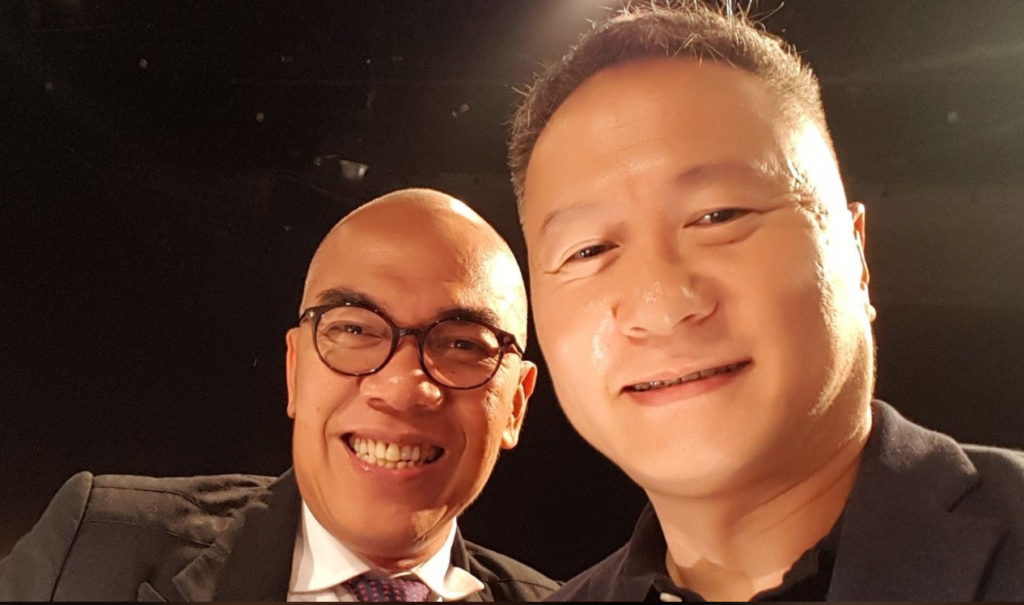
Nathan Chua has appeared on mainstream media in the Philippines to discuss ACT and functional contextualism in a way that remains faithful to the underlying model.
Being faithful to the model means therapy is not simply a collection of techniques chosen at random. A “therapy salad” approach can mix methods without a clear rationale, which may make counseling feel fragmented or confusing.
An integrative approach, by contrast, is guided by a unifying framework. Different methods may still be used, but they are selected with purpose and connected to a clear understanding of the client’s goals and the patterns keeping them stuck.
In other words, the question is not simply, “What technique should we use?” but “Why are we using it, and how does it fit with what we are trying to change?”
Here are some of the testimonials that people have given for our work.
From a parent:
My son was diagnosed with Major Depressive Disorder. He’s been undergoing therapy each year between June to September. He’s given synthetic meds in between therapy but i am not seeing consistent progress.
We needed to find a psychiatric support that can really help him.
It was a blessing indeed when i met one of the resource speaker from our community event that introduced us to sir Nathaniel.
Here’s an excerpt from my son’s long message to me …. “learning a lot through this therapy and had a ton of realizations din so i wanna say thank u so much ma…”
One life Only counselling services is truly effective and i hope it can help more people who suffers from mental health concerns.
From a partner:
Nathan is amazing! We learned so much about our relationship in just a few sessions. He also gives reading references, which helps a lot to navigate the information he provides in his session. Overall, would recommend to any couple in need of counselling.
From a husband:
Me and my wife ran into a bad patch due to outside pressure put onto our marriage.
I decided to book a set of appointments with one life and I can say it help so much I wish we went years ago. We have an amazing marriage and friendship.
Best thing we ever did.
Please click the link below for more:
https://share.google/RV5f9DYNVeURSGIJ8


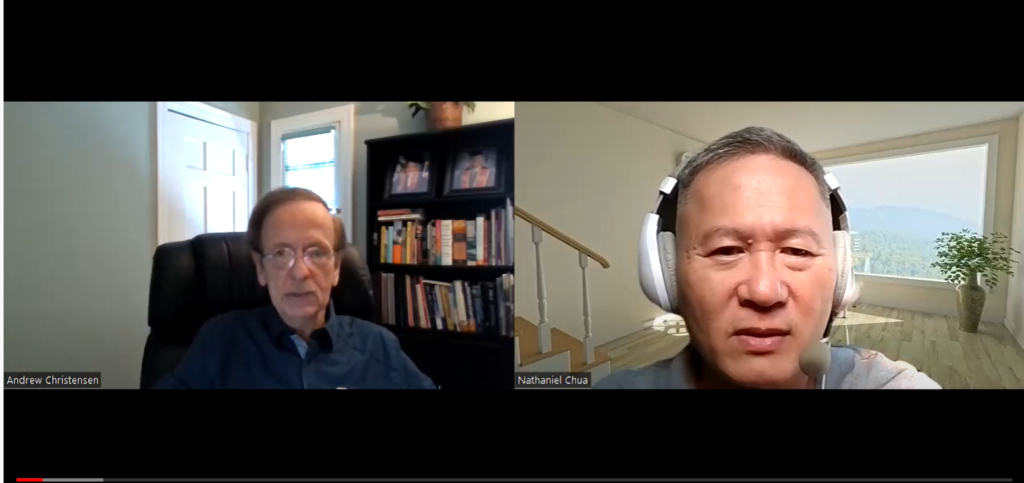
He has also done interviews on YouTube with the developers of ACT and IBCT.
Here is a live interview on Kada Umaga on Net 25 starting at the 25 minute mark:
Here’s a solo interview of Nathan Chua with an ACT Matrix Expert and Counselor from the United States, Jacob Martinez:
Interviews with the experts:
Here are two interviews with the two experts that have had a huge impact on my work in recent years. They are with Dr. Steven Hayes and Dr. Andrew Christensen. Here are the videos: